
Vietnam, Explained Properly Field Note 14 25 April 2026

Calling It Bad Planning Is Too Kind

Bad planning would still require a plan.

At some point I realized “poor planning” was too generous. A lot of daily life here feels less like failed structure and more like confident improvisation with witnesses.

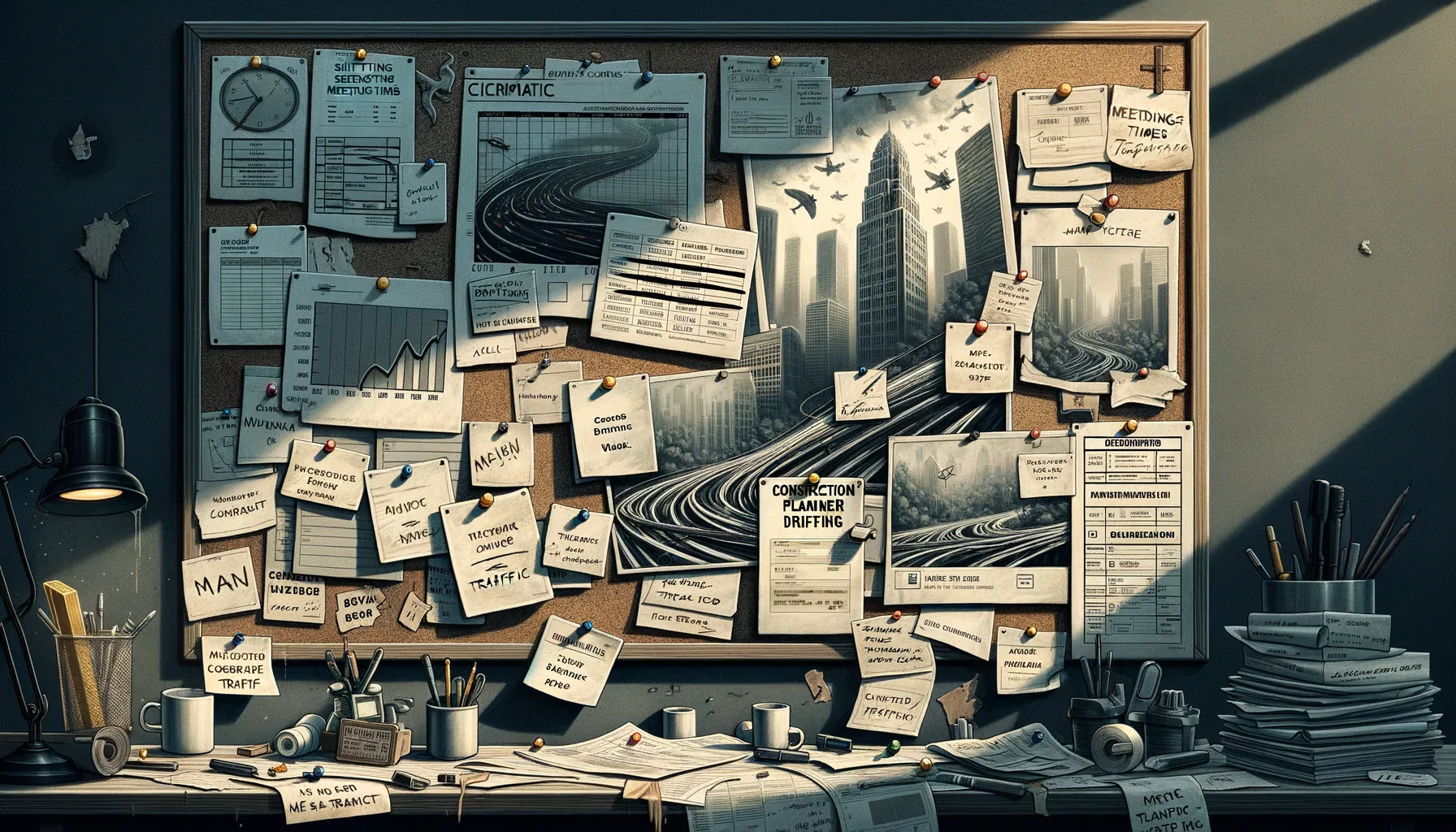
A wall of shifting timelines, crossed-out Gantt charts, permit rewrites, and traffic photos pinned over each other in confident disorder

For a while, I called it bad planning.

That felt polite.

Too polite.

Because bad planning would still imply there was a plan.

What happens here, more often than I would like, feels closer to reaction with confidence.

Meetings start one or two hours late and the excuse is traffic, as if traffic in Hanoi were a supernatural event nobody could possibly have predicted in advance.

House builds shift because documents were not checked properly before money moved.

Permits become philosophical only after someone has already committed capital.

Deliveries fail because the final step was apparently left to fate.

Paperwork multiplies because one office assumed another office had already explained the thing they themselves only half understand.

And through all of this, people still speak with astonishing confidence.

That is what makes it funny.

And exhausting.

The city is not short of opinions.

It is short of sequence.

Everything seems to be:

see first,

fix later,

blame traffic,

blame weather,

blame timing,

blame paperwork,

blame fate,

then improvise.

That is not planning.

That is a lifestyle.

And the problem is not only delay.

It is the re planning.

You do not just make a plan here.

You make a plan, then a correction, then a workaround, then a phone call, then a second workaround, then an uncle.

That becomes the real plan.

At some point I realized the country does not always fail to plan.

It often just plans by reaction.

Which is why living here can feel like trying to schedule your life inside someone else's unfinished group project.

You are not entering a system.

You are entering a sequence of adjustments.

Closing line

Calling it bad planning is sometimes unfair. Bad planning would still require a plan.

Quick answers, while you're here.

How do I deal with delays in Vietnam due to traffic?

Expect them. Traffic in Hanoi is a fact of life, and meetings starting late is just part of the local rhythm. Instead of getting frustrated, build in extra time for every appointment. It’s not just about the traffic; it's about the whole approach to planning here.

What does it mean when officials blame paperwork for delays?

It means that paperwork is often seen as a secondary concern rather than a priority. You’ll find that many assume others have handled the necessary documents, leading to a cascade of confusion and subsequent delays. It's less about incompetence and more about a different set of priorities.

Why do plans seem to change frequently in Vietnam?

Plans here often evolve through a series of reactions rather than being set in stone. Expect adjustments and improvisation to be the norm, as flexibility is key to navigating the unpredictable landscape. It's not just about making a plan; it’s about adapting to whatever comes next.

The ChaosCB field dispatch.

One essay, one observation, one week. No tourism-board gloss. No influencer energy.

Unsubscribe anytime. We don't sell your email — we barely check our own.